A Transmed fornece soluções de PIB da primeira à última milha para o transporte farmacêutico na Alemanha
Como parte da sua nova solução de conformidade com as Boas Práticas de Distribuição (BPD), a transmed Transport, especialista em transporte farmacêutico, recorreu à VIACHAIN para desenvolver um sistema integrado para gestão e validação de temperatura em tempo real de ponta a ponta em todos os seus armazéns, centros de distribuição (CDs) e frota de transporte.

A empresa
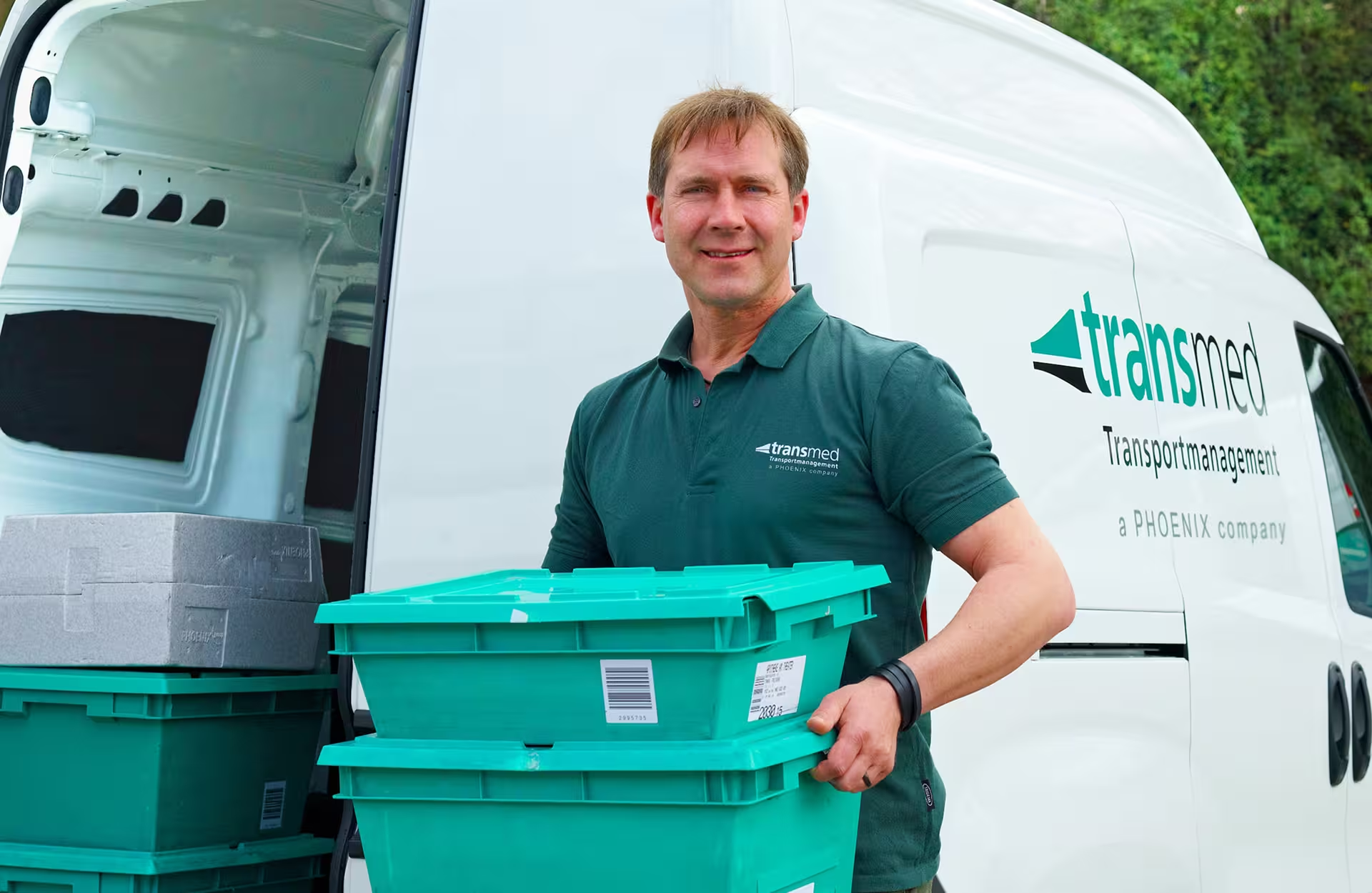
Com sede em Regensberg, Alemanha, a transmed Transport GmbH é especializada na distribuição de medicamentos e produtos de saúde para farmácias, médicos dispensadores, hospitais, centros médicos e lares de idosos.
A Transmed é o braço logístico e de transporte do PHOENIX Group, o principal atacadista farmacêutico da Europa, com receitas anuais de 23,3 mil milhões de euros em 31/01/16, provenientes de operações em 26 países.
Atuando na Europa Ocidental, Central, Oriental e Sudeste, a PHOENIX atende cerca de 60.000 clientes, fornecendo até 140.000 itens farmacêuticos diferentes a partir da sua rede de 153 centros de distribuição.
No seu mercado doméstico, a Alemanha, a transmed opera a partir de três principais centros de armazém com temperatura controlada, atendendo 20 centros de distribuição regionais (CDs). A sua frota de 2.500 veículos entrega mercadorias 24 horas por dia, tanto para a sua empresa-mãe como, mais recentemente, sob contrato direto com produtores farmacêuticos.
A frota varia desde os veículos caddy mais pequenos para entregas locais tipo “milk run” de até duas horas; a carrinhas de médio porte de até 2,8 toneladas para operações de maior alcance; a carrinhas com temperatura controlada de até 3,5 toneladas para as distâncias mais longas, incluindo entregas noturnas de até 1.000 km e mais.
O desafio
Em setembro de 2013, a UE introduziu as suas Diretrizes de Boas Práticas de Distribuição (BPD) revistas (2013/C 343/01), com o objetivo de manter a qualidade e a integridade dos medicamentos para uso humano ao longo de toda a cadeia de abastecimento, do fabricante ao paciente.
As diretrizes atualizadas reconheceram a natureza cada vez mais complexa e multipartidária das redes modernas de distribuição farmacêutica e procuraram fornecer um novo quadro para a gestão de riscos e controlo de qualidade.
Em particular, as Diretrizes de 2013 estabeleceram novas regras para o transporte, para proteger os medicamentos contra quebras, adulteração e roubo e, crucialmente, “para garantir que as condições de temperatura sejam mantidas dentro dos limites aceitáveis durante o transporte.”
“Esta nova estipulação para que as temperaturas sejam mantidas e validadas ao longo da cadeia de transporte foi uma mudança de paradigma para expedidores e transportadores farmacêuticos,” afirma Stefan Butenholz, Gerente Regional Norte da transmed.
À medida que o governo alemão avançava para transpor as novas diretrizes para a legislação nacional, a transmed iniciou um diálogo com as autoridades e realizou testes extensivos para medir as temperaturas em todas as suas operações de transporte e armazenamento, para entender o que precisava fazer e mudar para responder às novas regras.
Ao longo do processo, identificou “uma oportunidade de fornecer soluções em conformidade com as BPD diretamente aos fabricantes farmacêuticos, não apenas à nossa empresa-mãe,” afirma Butenholz.
A implementação das novas soluções em conformidade com as BPD exigiu investimento em veículos refrigerados e com ar condicionado e processos operacionais revistos para os centros de armazém e CDs regionais.
Mas para atender às necessidades da sua empresa-mãe, e para ir diretamente aos produtores farmacêuticos com uma oferta para satisfazer as suas necessidades de entrega BPD, era também “crucial fornecer dados de temperatura aos clientes,” observa Butenholz.
A empresa começou, portanto, a procurar tecnologia de rastreamento e localização que lhe permitisse “monitorizar e validar os nossos protocolos de controlo de temperatura tanto nas operações de transporte como de armazenamento.”
Os sensores, dispositivos e soluções de monitorização da cadeia de frio Euroscan da VIACHAIN tinham uma reputação líder de mercado, observa Butenholz, e a transmed abordou a empresa para explorar as possibilidades.

More customer stories
.avif)
.avif)
.avif)