


Rising flames at sea: Container ship fires surge to a decade high
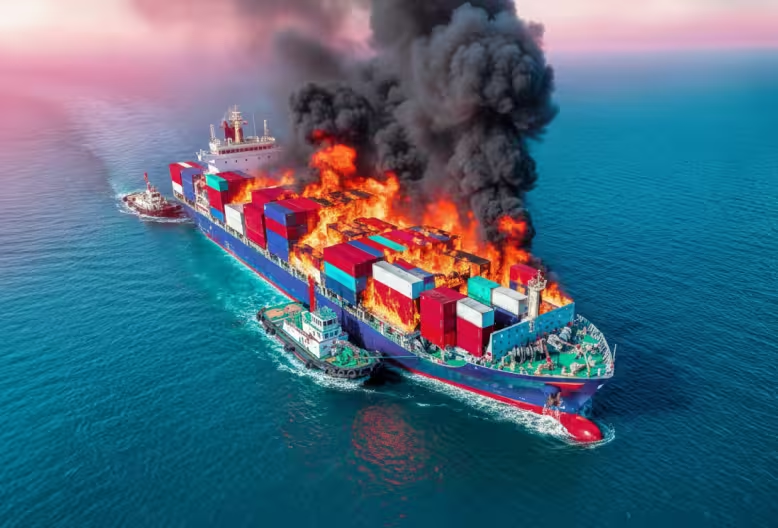
Container ship fires are no longer rare anomalies. They are becoming alarmingly routine. In 2024, the industry recorded nearly 250 shipboard fire incidents, the highest number in over a decade, according to the Allianz Safety & Shipping Review 2025.
Why container fires are rising
Mega-ships carrying more than 20,000 TEUs stack containers higher and deeper, creating blind spots where smouldering fires can go unnoticed until they are well advanced. At the same time, congested trade routes and longer voyages mean cargo spends more time under strain.Misdeclared goods, especially flammable chemicals and batteries, continue to slip into the system and undermine safe stowage practices.
An aging fleet is also part of the problem. Many vessels still rely on outdated detection systems and are more vulnerable to faults in wiring, insulation or equipment. DNV reports that fire and explosion incidents have risen by more than 40 percent in the last four years, driven in part by older ships.
How smart containers can help
This is where smart container technology can make a difference. By equipping containers with temperature and environmental sensors, shipping lines gain real-time insight into conditions that can precede a fire. A sudden spike in heat inside a single container, or a slow but abnormal rise across a stack, can trigger an instant alert long before smoke is visible. Instead of waiting for centralized smoke-pipe systems to react hours late, crews and fleet managers can act immediately based on live data.
For refrigerated containers, this level of monitoring is already standard. What is changing is that the same sensor technology can now be deployed affordably across dry containers too. With device costs falling, it is increasingly practical to extend monitoring across entire fleets, turning once dark containers into connected assets.
Building a predictive layer
The real power comes when this data is aggregated. Smart container platforms allow shipping lines to see temperature trends across thousands of containers at once, spot anomalies and correlate risks with specific routes, ports or cargo types. Over time, this creates a predictive layer that helps operators know not just when a container is overheating but which shipments are most likely to pose risks in the first place.
Connectivity is critical. Traditional systems fall silent once vessels leave port, but modern smart container solutions combine cellular, satellite and vessel-based networks to keep data flowing even in mid-ocean. That means no more blind spots and no more surprises days away from land.
The rise in container fires is more than a statistical uptick. It is a clear warning. With one fire reported every nine days, shipping lines cannot afford to rely solely on outdated detection methods. Smart container technology provide a proactive path forward, delivering the visibility needed to stop small anomalies from turning into full-scale emergencies.
In a world where minutes matter, early detection is everything. For shipping lines, the message is clear. Invest in smarter, connected containers today, or risk becoming tomorrow’s headline.

.avif)